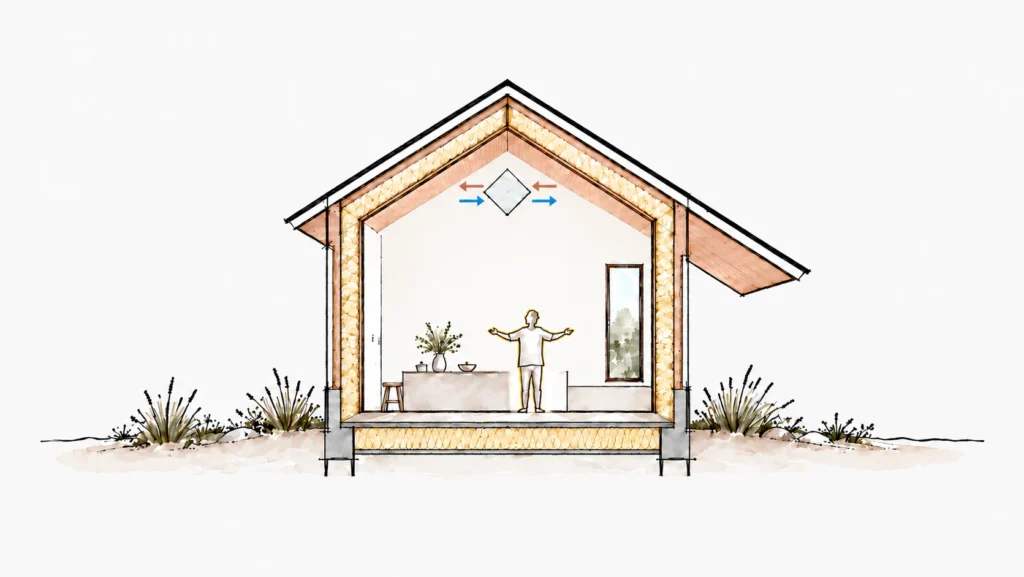
How a home feels to live in depends on how the building performs.
The Passive House Way brings specialist Passive House and building-performance analysis to homes across Gippsland, working alongside designers and builders while important decisions remain open.
THE LIFE INSIDE
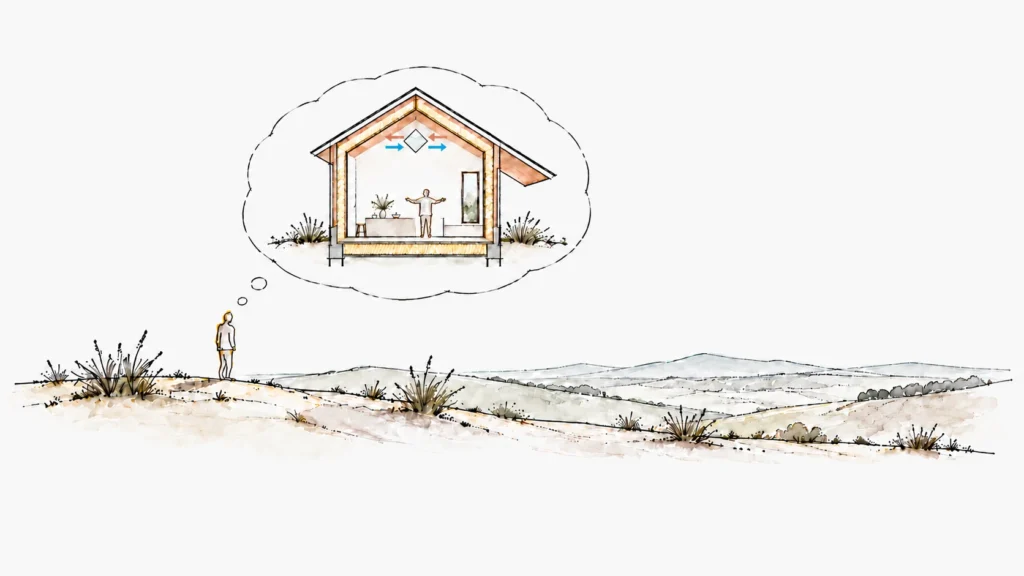
The building creates the conditions you live in.
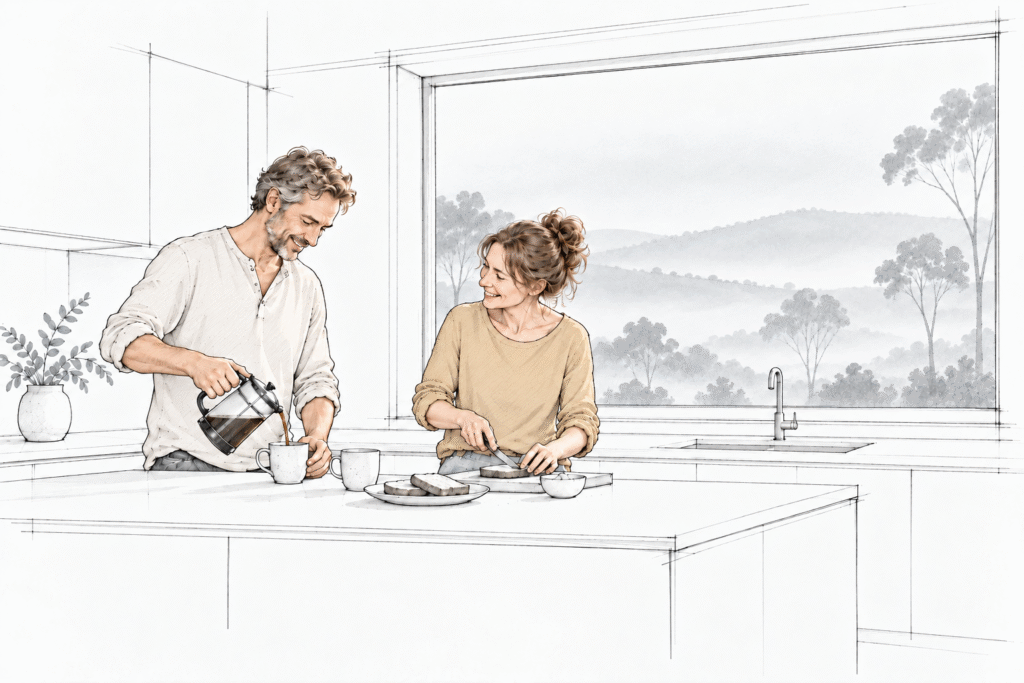
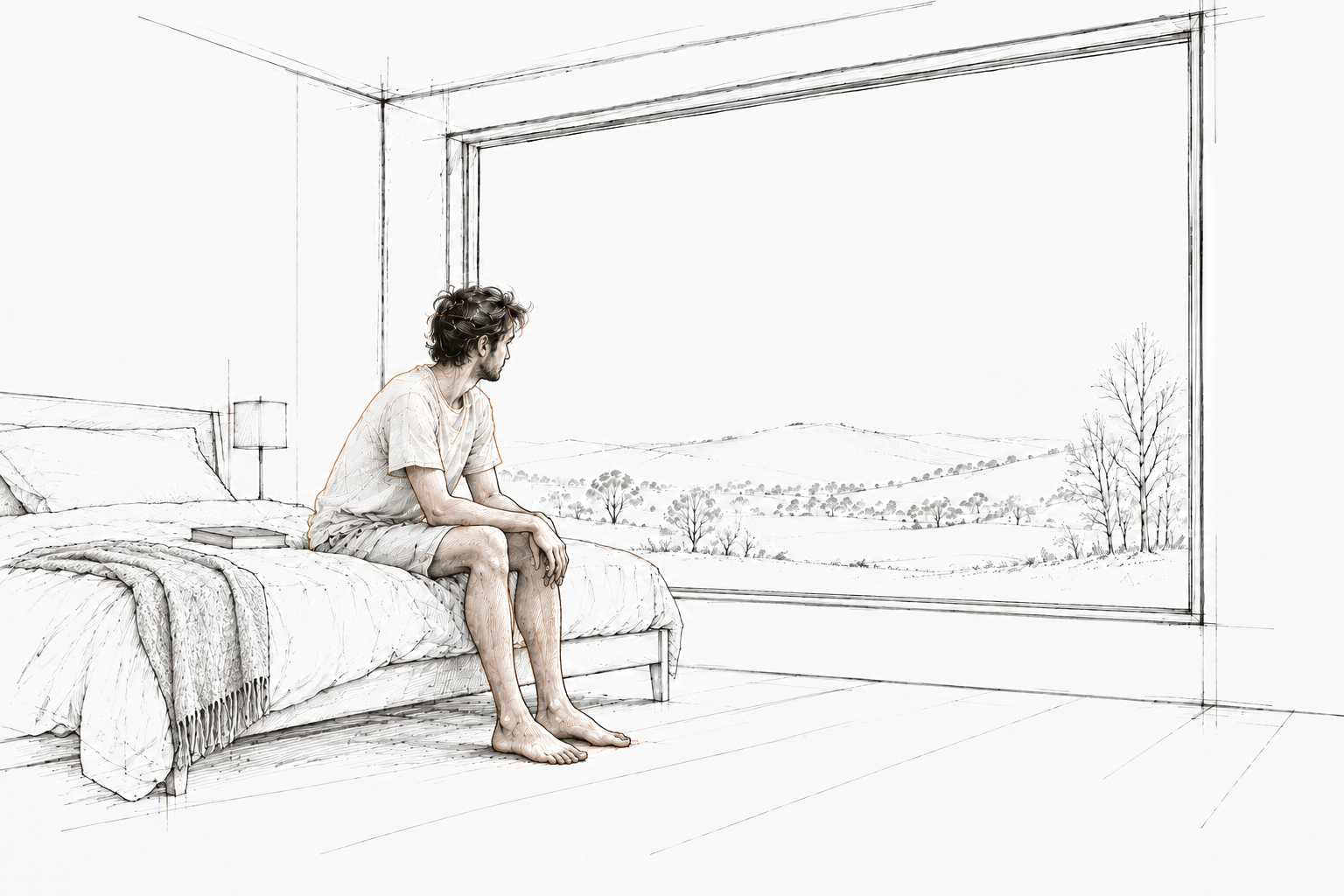
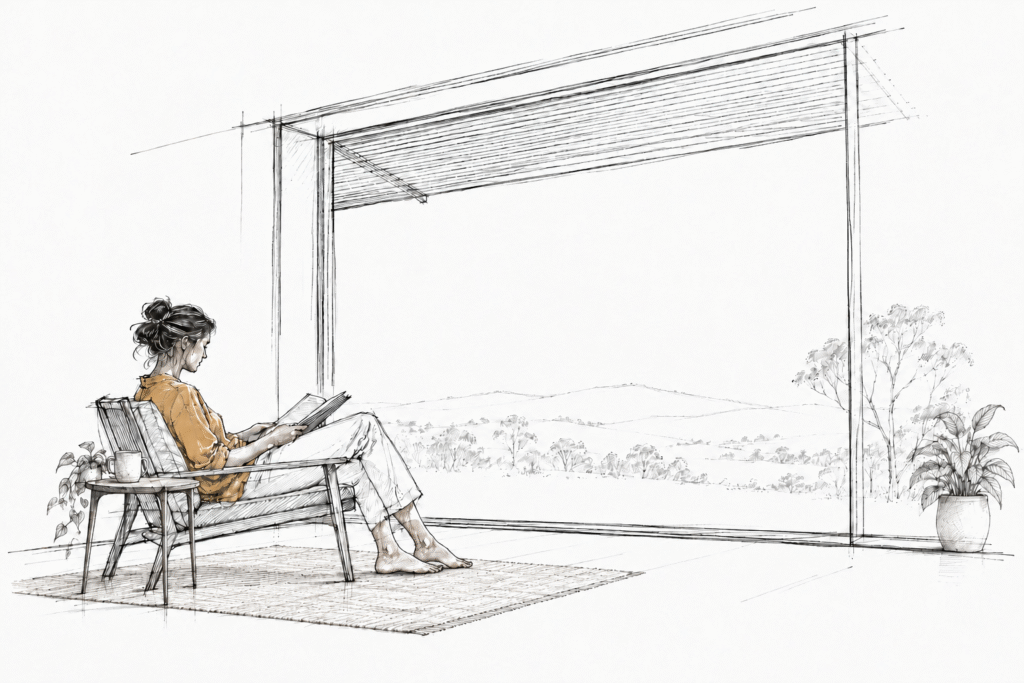
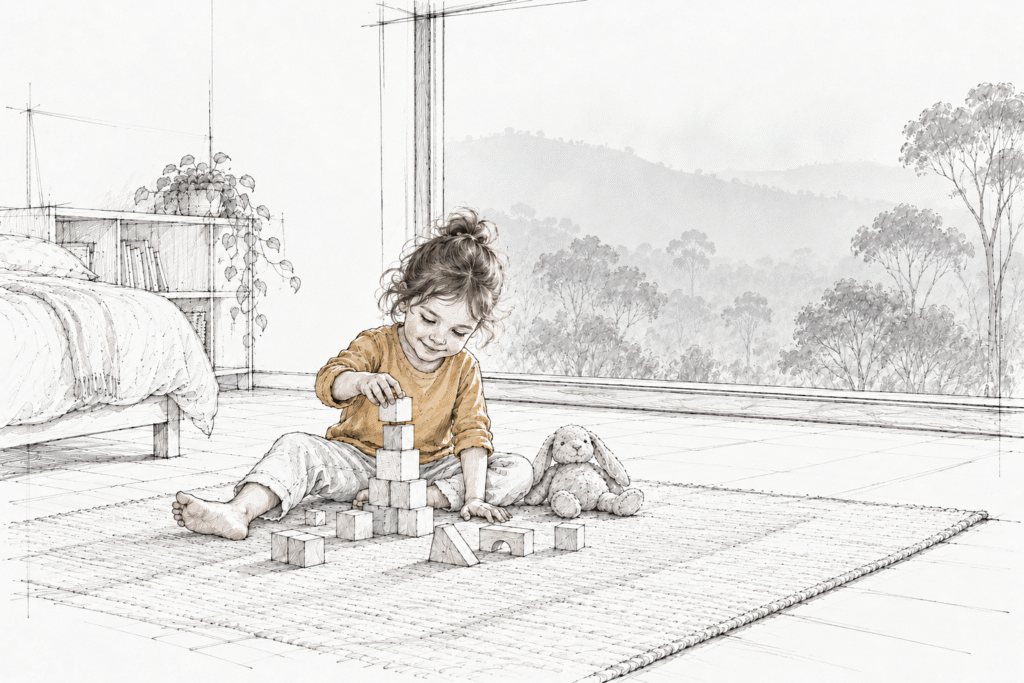
A home is experienced through ordinary moments — a winter morning, a bedroom overnight, a warm summer afternoon.
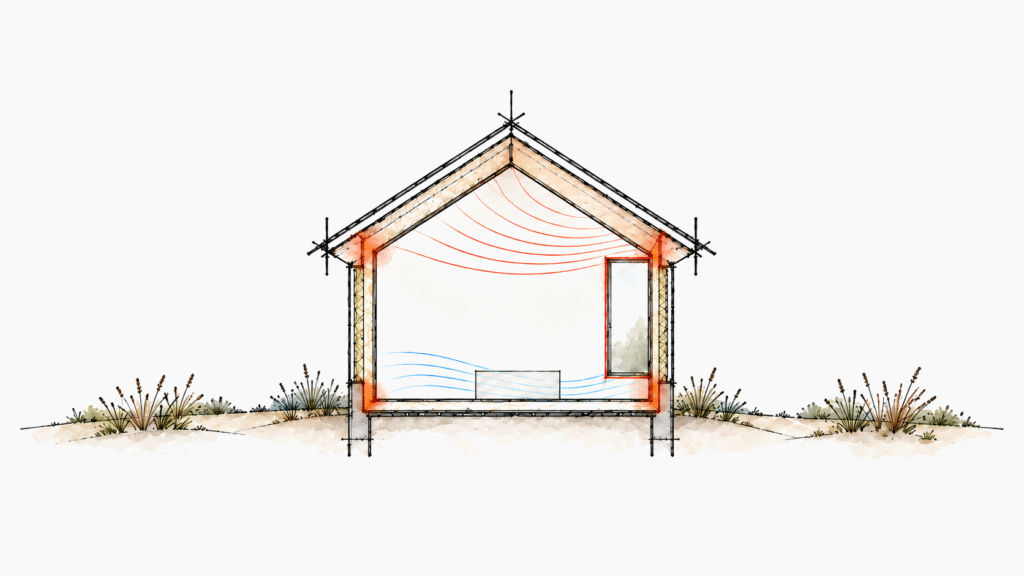
The temperature of surfaces, movement of air, solar gain, moisture and energy demand are all influenced by decisions made long before construction is complete.
Passive House brings those decisions together so the home can be considered as a whole.
A winter morning
Will the home remain comfortable overnight without relying on constant heating or adjustment?
A bedroom overnight
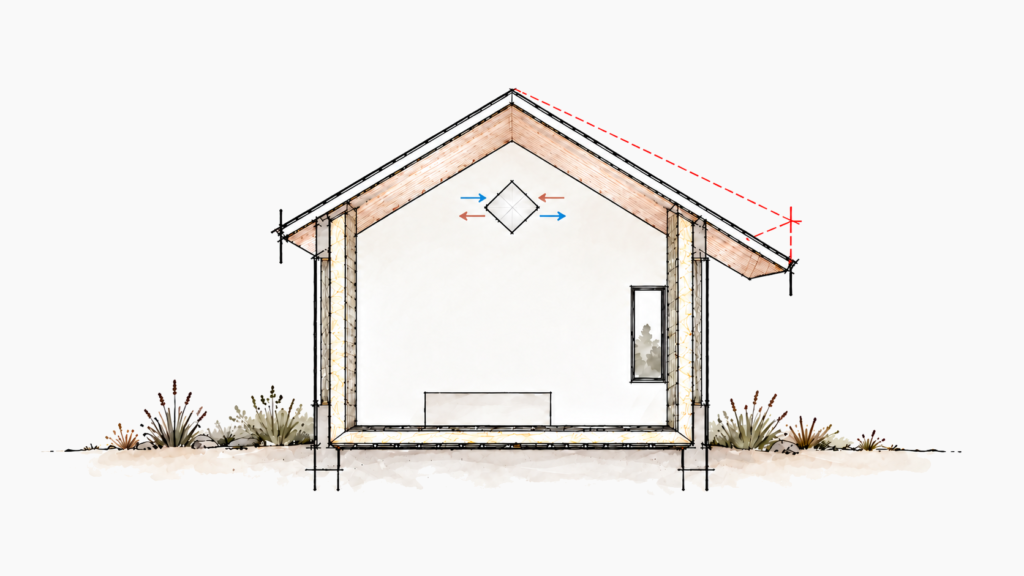
How will fresh air be maintained while the room remains quiet and thermally stable?
A summer afternoon
How will glazing, orientation, shading and the building envelope respond during extended heat?
An outdoor air event
How will fresh air be supplied when smoke, pollen or poor outdoor air makes opening windows less desirable?
Climate, form, orientation, glazing, shading, the building envelope, airtightness and ventilation do not work independently.
A change in one can affect several others.
Passive House provides a rigorous way to model and test those relationships while the design can still respond.
Place
Climate · sun · site
Building behaviour
Temperature · air quality · moisture · energy demand
Decisions
Form · glazing · envelope · ventilation
Life inside
A CLEARER WAY TO THINK ABOUT PERFORMANCE
Understand. Verify. Live.
Understand
Begin with the people, place and project.
What should the home support? What conditions matter? What has already been decided?
Verify
Use modelling, review and evidence to examine the decisions that carry important consequences.
Make trade-offs visible before they become expensive or difficult to change.
Live
Bring the technical work back to what it is for:
a home that is comfortable through the seasons, supplied with fresh air, requires less energy to operate and supports everyday life over the long term.
PASSIVE HOUSE
Performance that can be considered before it is built.
Passive House is not an architectural style or a collection of products.
It is a rigorous design and verification methodology that examines how climate, form, glazing, insulation, airtightness and ventilation work together.
The Passive House Way works alongside your designer and builder, bringing specialist Passive House and building-performance analysis to the project.
01 |
Clarity Call
A focused conversation to understand your project, priorities and whether specialist input would be useful.
02 |
Discovery Meeting
A deeper discussion of your goals, site, design position, project team and the key decisions ahead.
03 |
Pathway Strategy
A deeper discussion of your goals, site, design position, project team and the key decisions ahead.
START EXPLORING
The Gippsland Passive House Guide
A practical introduction for families planning a new home — covering the decisions that shape comfort, fresh air, energy demand and long-term performance in Gippsland conditions.
15 minutes · No project-specific analysis at this stage · Simply a conversation about fit and next steps.
You might be wondering
WILL PASSIVE HOUSE LIMIT THE LOOK OF MY HOME?
No.
Passive House is a performance standard, not an architectural style.
Your home can be modern, traditional, minimalist, farmhouse, or something completely personal. The difference is not how it must look. The difference is how carefully comfort, air quality, and energy demand are resolved behind the design.
IF MY HOME IS 7-STAR, ISN’T THAT ALREADY GOOD ENOUGH?
A 7-star home is a meaningful step forward.
But it does not automatically guarantee stable comfort in every room, excellent air quality, low heating and cooling demand, or strong construction detailing.
Passive House goes further by setting clearer targets, testing design decisions earlier, and verifying the parts of the home that most affect comfort and performance.
DO I NEED FULL PASSIVE HOUSE CERTIFICATION?
It is recommended but not mandatory.
Some clients want formal certification. Others want a Passive House-aligned approach without the full certification pathway.
The right pathway depends on your goals, project stage, budget, and how much independent verification you want.
The intent stays the same: tailored measured design decisions, and guidance that reduces risk during design and construction.